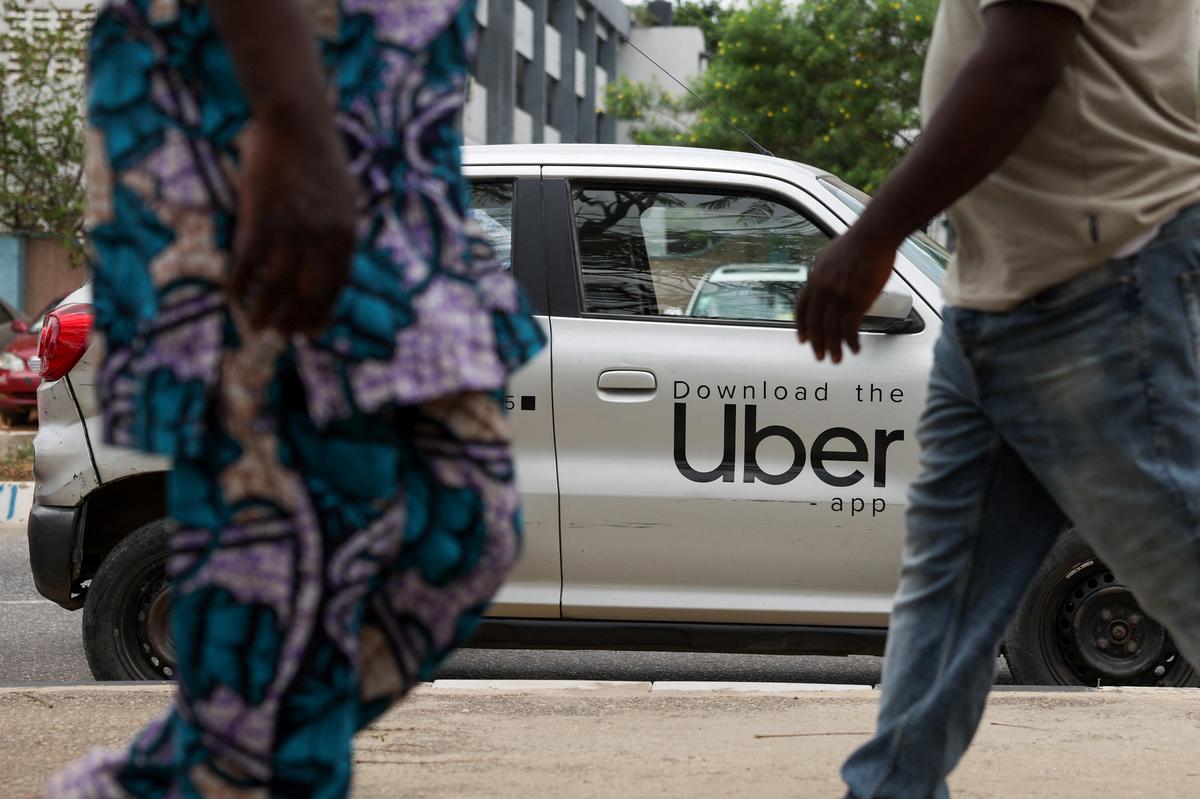
The global mobility company has withdrawn from two established African markets, opening space for competitors while raising wider questions about operating costs, driver earnings and the ability of international platforms to convert scale into sustainable growth.
Uber has ended its ride-hailing operations in Nigeria and Uganda, withdrawing simultaneously from two established African markets and narrowing its footprint on the continent.
The company stopped operating in both countries on 2 September 2026. Uber did not provide a detailed public explanation for the closures or disclose how many drivers, riders and employees would be affected.
“After a thorough review of our business, we have made the tough decision to wind down our operations in Nigeria, effective 2 September 2026,” the company said in a message to users reported by Reuters.
Uber said its help centre would remain available until 23 September to address outstanding account-related issues and that supporting affected drivers, riders and local team members was its immediate priority.
The exits close two important chapters in Africa’s digital transport story. Uber launched in Lagos in 2014 before expanding into other Nigerian cities. It entered Uganda in 2016, initially operating in Kampala and later listing Jinja among its service locations. In both countries, the company helped normalise app-based booking and created new earning channels for vehicle owners and drivers. Ugandan reporting described the departure as a major shift for drivers and commuters across Greater Kampala.
Uber has stressed that the decision is limited to Nigeria and Uganda and does not affect its operations elsewhere on the continent. “Our immediate priority is supporting drivers, riders, and local team members throughout this transition,” the company said in a statement reported by The Washington Post. That distinction matters: the closures represent a selective withdrawal rather than a declared exit from Africa. Nevertheless, leaving Africa’s most populous country and one of East Africa’s established digital-mobility markets is a notable strategic contraction.
A difficult operating equation
Uber has not attributed the closures to any single factor. Any assessment of the decision must therefore distinguish between the company’s confirmed position and the wider pressures shaping ride-hailing in the two countries.
Those pressures are substantial. Ride-hailing operators have been navigating rising fuel and vehicle-maintenance costs, persistent inflation, currency volatility and intense competition. Platforms must keep fares affordable for consumers whose purchasing power is under pressure, while ensuring that drivers can still earn enough after fuel, maintenance, financing and commission charges.
In March 2026, hundreds of app-based drivers protested in Lagos over low fares and rising petrol prices. Drivers said platform commissions of up to 30 per cent were adding to the pressure on their earnings, according to Reuters reporting on the demonstrations.
Uganda presents a different market structure but a similar commercial test. Uber faced established competition in and around Kampala from platforms including Bolt and locally rooted SafeBoda, alongside operators such as Faras and Yango. Uganda’s large informal transport ecosystem—particularly its boda-boda motorcycle taxis—also requires platforms to compete with services that are deeply embedded in daily life and frequently organised around cash, familiarity and local networks.
The underlying challenge is familiar across Africa’s digital economy: rapid adoption does not automatically translate into sustainable margins. A platform can have a globally recognised brand and operate in cities with clear transport demand, yet still struggle if customer affordability, driver earnings and operator returns cannot be balanced.
Nigeria demonstrates that scale alone cannot neutralise weak unit economics. Uganda demonstrates that brand recognition alone does not guarantee leadership where strong local and regional competitors understand the market’s transport culture.
Opportunity for competitors—but also a warning
Uber’s withdrawal leaves Bolt, inDrive, LagRide and other operators with an opportunity to win riders and drivers in Nigeria. Bolt has already reaffirmed its commitment to the country, describing Nigeria as an important market and pledging to continue working with drivers, riders and regulators to support a reliable and sustainable mobility ecosystem, according to a statement attributed to its West Africa leadership.
In Uganda, the immediate beneficiaries could include Bolt, SafeBoda, Faras and other services with established local footprints. For SafeBoda in particular, the shift reinforces the strategic value of building products around local transport behaviour rather than simply importing a global ride-hailing model.
However, Uber’s departure should not be interpreted as an automatic windfall for its rivals. The same fuel, maintenance, pricing and regulatory pressures remain. Competitors may gain market share, but they will also inherit greater expectations from drivers seeking stronger earnings and from passengers concerned about affordability, availability and safety.
The Amalgamated Union of App-Based Transporters of Nigeria has used the exit to renew calls for better driver welfare and collective engagement across the industry. The union has criticised aspects of the platform model and urged remaining operators to negotiate more meaningfully with driver representatives. Those claims represent the union’s position, but they point to a wider strategic issue: a mobility platform cannot be sustainable if the people delivering the service believe the economics are persistently working against them.
For domestic mobility companies in both markets, the opening is significant. Local operators may be better placed to develop payment systems, vehicle-financing arrangements, pricing structures and customer services designed around national and city-level conditions. Yet competing successfully will require more than replacing an international brand. It will demand capital, technology, safety systems, regulatory discipline and a credible proposition for drivers.
A wider signal for investors
The exits coincide with a broader global restructuring at Uber, including plans to reduce its corporate workforce by about 10 per cent—approximately 3,300 roles—and simplify management layers, Reuters reported. Uber has not publicly established a direct connection between that restructuring and the African closures, and the developments should not be conflated. Their timing nevertheless reflects the pressure on global technology companies to concentrate resources where they see the clearest path to returns.
For investors evaluating African markets, the lesson is not that Nigeria or Uganda lacks opportunity. Nigeria’s large population, expanding cities and transport gaps continue to create substantial demand for technology-enabled mobility. Uganda’s youthful population, urban growth and deeply established private-transport economy also offer room for digital services that solve genuine mobility problems.
The more important lesson is that market size must be matched by operating resilience. Businesses need models capable of absorbing currency movements, energy-price shocks, changing regulation and declining consumer purchasing power. They must also localise deeply enough to understand how drivers finance vehicles, how customers pay and how transport patterns differ across cities.
What comes next
In the immediate term, riders in both countries will migrate to competing platforms or conventional transport options, while drivers who relied on Uber will need to redistribute their activity or seek alternative income. The longer-term impact will depend on whether remaining operators compete only on lower prices or use the moment to build healthier and more durable markets.
Regulators also have a role. Nigeria and Uganda need standards that protect passengers, ensure vehicle safety and establish accountability without imposing costs that make formal digital transport services unviable. Constructive engagement between governments, operators and driver representatives will be essential.
Uber’s departure ends important chapters in Nigeria’s and Uganda’s technology and transport stories. It also begins a more consequential test: whether the next phase of ride-hailing in both countries can combine innovation with sustainable economics, fairer value distribution and locally grounded execution.
The demand for mobility has not disappeared. The opportunity now belongs to the companies capable of serving it on terms that work for riders, drivers and investors alike.
Discover more from Pan-African Voice
Subscribe to get the latest posts sent to your email.