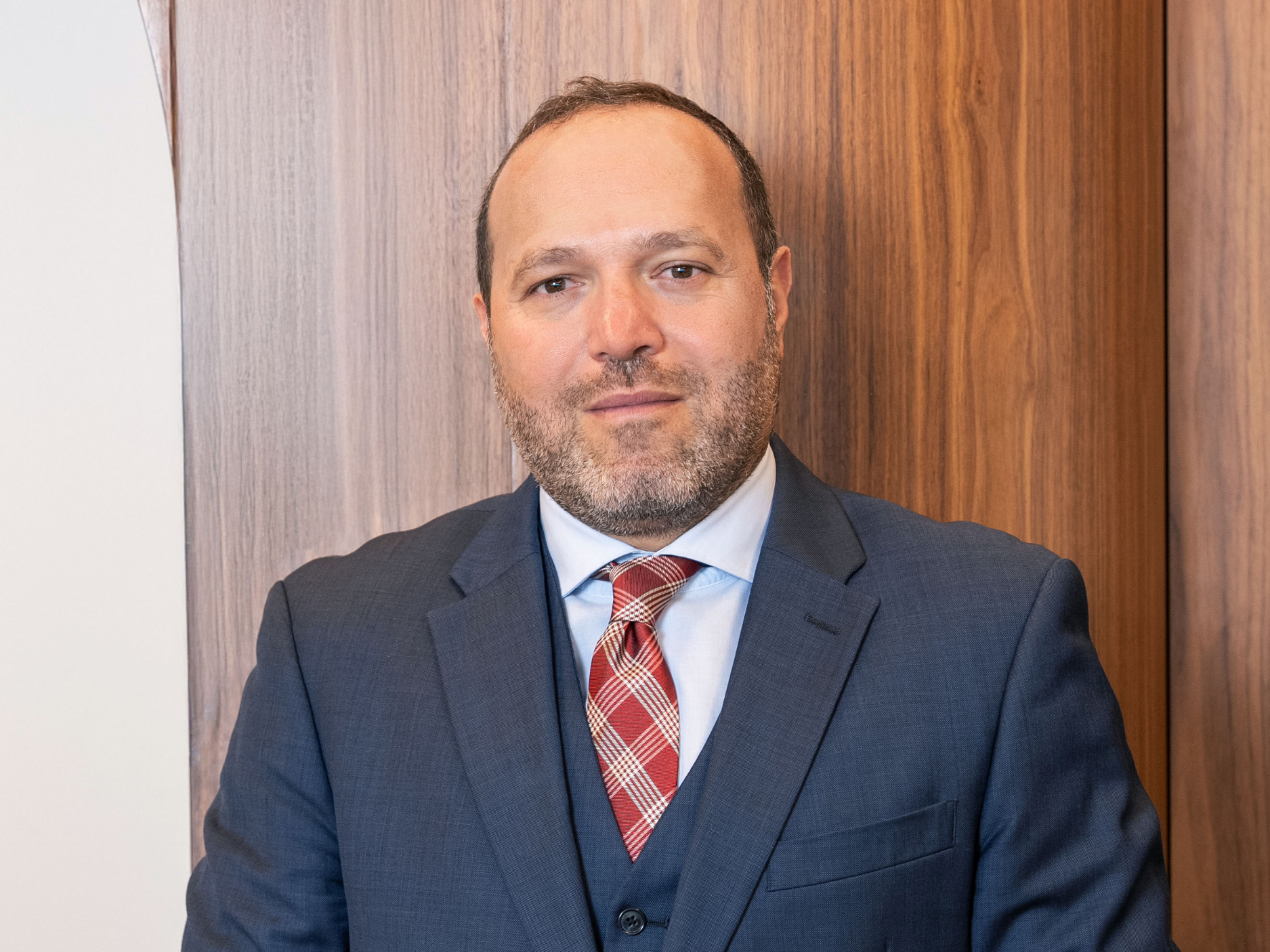
Ayman Ezzeddine has seen the hotel business from the operator’s desk, the design studio and the brand’s side of the table. His argument is that the next decade will reward the deals a company turns down.
Development executives are usually measured by how much they add. Ayman Ezzeddine works for one of the largest hotel groups in the world, and the case he brings to FHS World 2026 runs against that instinct. Growth, he argues, is now a test of judgement rather than appetite.
Since January 2024 he has been Senior Director of Business Development for the Middle East, Northeast Africa and Pakistan at Radisson Hotel Group, working out of Dubai. He arrived with more than a decade in senior industry roles and with something rarer than tenure: he has seen the same asset from three professional vantage points.
Four rooms, one building
His career began in operations with Kempinski Hotels, followed by several years at Shaza Hotels. He then moved to WATG and Wimberly Interiors as Business Development Director for the Middle East and Africa, helping expand the firm’s footprint across the region. That step matters. WATG and Wimberly Interiors sit on the design and architecture side of hospitality, so he learned how a hotel is conceived and drawn long before anyone checks in. Before joining Radisson he was Regional Director of Business Development at Golden Tulip MENA and Louvre Hotels Group.
Operations taught him what guests notice. Design taught him what a building can and cannot become. Brand development taught him what an owner needs to see before signing. Few people in the region carry all three, and it shows in how he frames investment questions.
What 100 hotels actually signals
Radisson Hotel Group has now surpassed 100 hotels in operation and under development in Africa. Ezzeddine is careful about how that milestone reads. The focus, he says, is on deepening the group’s presence in priority markets while identifying opportunities in emerging destinations and secondary cities, and on growing through a wider set of formats: hotels, resorts, serviced apartments, conversions and mixed use developments.
Two of those terms do real work. A conversion means rebranding and upgrading an existing building rather than building from nothing, which shortens the path to opening and lowers the capital at risk. Serviced apartments answer longer stays, from relocating executives to project teams, and they hold up better when tourist demand softens.
His framing of the milestone is unsentimental. “For us, the next phase of growth is not about expansion for its own sake,” he says. “It is about identifying the right market, the right product and the right partner.”
Demand before supply
Asked what will most shape hospitality investment over the next five years, Ezzeddine points to development that is disciplined and led by demand rather than by opportunity. “Investors are looking beyond simply adding hotel rooms and focusing much more closely on where sustainable demand will come from, and which product is best suited to that demand,” he says.
The openings he sees in emerging destinations and secondary cities sit alongside the established gateway markets rather than replacing them. Owners, meanwhile, are pressing harder on flexibility, efficiency and returns that hold. Technology will support that shift, but in his reading it does not drive it. Development, he says, “will continue to be driven by strong market fundamentals, the right product and the right partnerships.”
The message for Dubai
FHS World 2026 runs at Madinat Jumeirah in Dubai from 29 September to 1 October. Ezzeddine’s message there is a pair of words that rarely appear together on a conference stage.
“The next phase of hospitality growth needs to be both ambitious and disciplined,” he says. Momentum across the Middle East, Africa and other emerging markets is real, but success will turn on “understanding where demand is heading, not simply where it is today.” That means looking past the traditional gateway cities to secondary destinations, domestic travel, shifting consumer behaviour and new formats.
Partnership is the other half of it. Hospitality plays out over decades, and, as he puts it, “the decisions we make today need to create value for owners, guests and destinations for many years to come.”
For executives building anything at scale, the transferable lesson is compact. Know the demand before you commit the capital, choose the format that fits it, and pick partners you can still work with in fifteen years.
FHS World 2026 runs from 29 September – 1 October 2026 at the Madinat Jumeirah, Dubai, UAE. Pan-African Voice is an official media partner of FHS World.
Discover more from Pan-African Voice
Subscribe to get the latest posts sent to your email.