As the 2026 Africa CEO Forum convenes in Rwanda, the continent’s most influential business and political leaders face a defining question: can Africa build companies large enough, integrated enough and ambitious enough to compete on the global stage?se of continental champions.
In Kigali, the message is clear: Africa can no longer afford to think small.
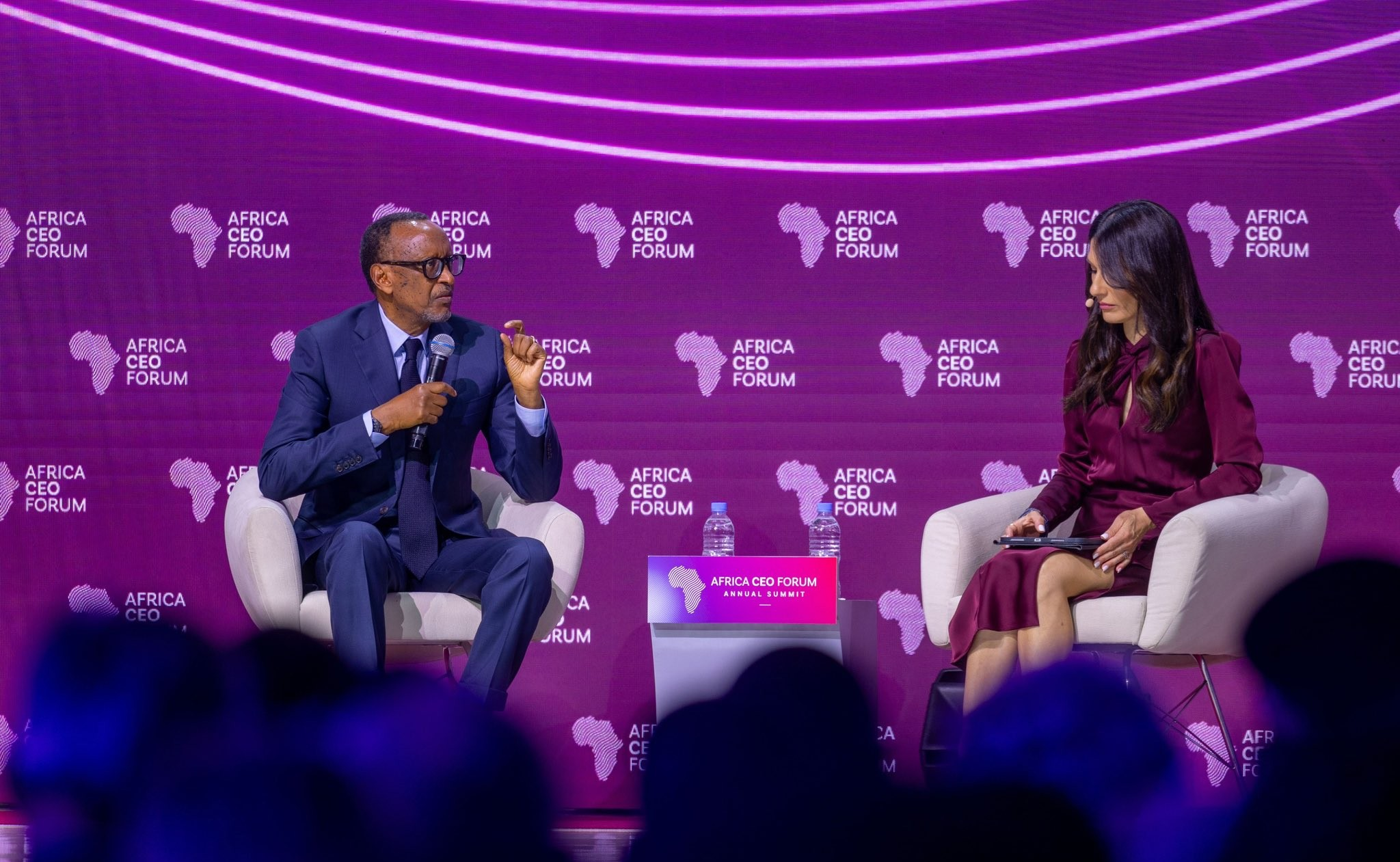
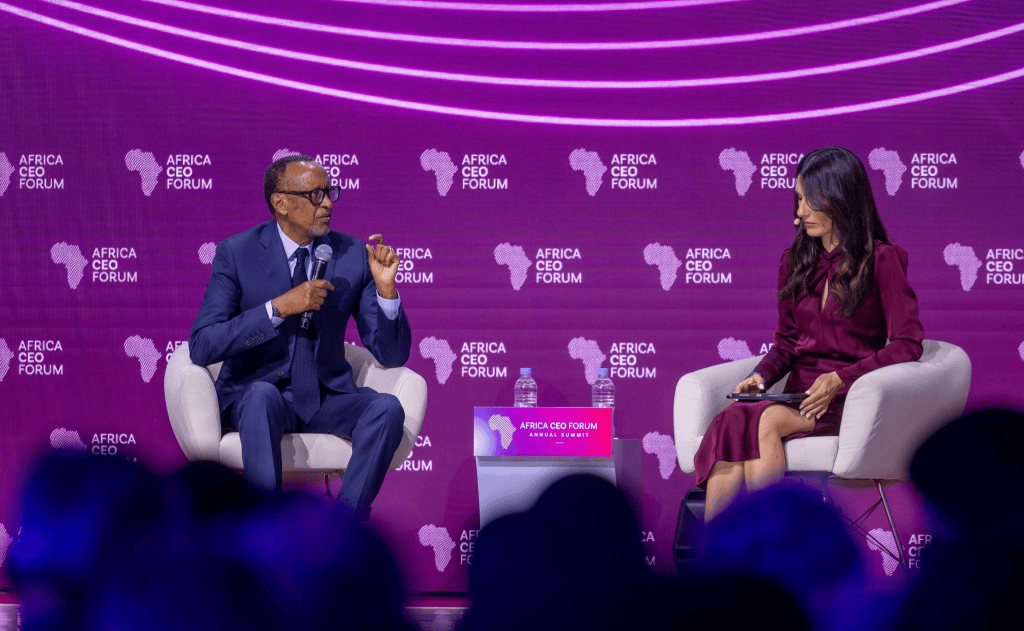
The 2026 Africa CEO Forum arrives at a decisive moment for the continent’s private sector. Under the theme “Scale or Fail”, more than 2,500 CEOs, investors, financiers and political leaders from around 75 countries are expected to gather in Rwanda’s capital to confront one of Africa’s most important economic questions: how can the continent build businesses with the critical mass required to compete globally?
For Pan-African Voice, the significance of the forum goes beyond the size of the gathering. It speaks to a deeper shift taking place across African boardrooms, investment circles and policy corridors. The conversation is moving from potential to power, from ambition to execution, and from fragmented growth to continental scale.
Africa has spent decades being described as the continent of opportunity. But opportunity alone does not build global companies. Vision alone does not finance infrastructure. Talent alone does not create industrial strength. For African businesses to lead in the next economic cycle, they must become larger, more integrated, better capitalised and more strategically aligned across borders.
That is the weight behind this year’s theme.
The Africa CEO Forum’s 2026 agenda reflects the realities of a changing global economy. Rising trade tensions, shifting supply chains and growing competition between major economic blocs are forcing African economies to reconsider how they organise capital, industry and regional power.
In this context, scale is not a luxury. It is a survival strategy. Too many African businesses remain limited by fragmented markets, narrow access to patient capital, infrastructure gaps and national borders that restrict their ability to grow into continental players. The result is a business landscape rich in talent and opportunity, but often undersized in relation to the scale of global competition. This is the central challenge Kigali will seek to address. The gathering is expected to bring together high-level political figures, including Presidents Paul Kagame, Bola Tinubu, Brice Clotaire Oligui Nguema and Mamadi Doumbouya, alongside private-sector leaders from across the continent. Key areas of focus include infrastructure financing, African patient capital, regional integration, artificial intelligence, energy and the consolidation of continental champions.
The idea of “continental champions” is central to Africa’s next phase of economic development. These are not simply successful national companies. They are African businesses with the capacity to operate across borders, mobilise capital at scale, compete internationally and shape industries beyond their domestic markets. For Africa, the rise of such companies is no longer optional. It is essential. If the African Continental Free Trade Area is to fulfil its promise, the continent needs businesses capable of using that larger market effectively. Trade agreements create possibility, but companies create movement. Policy can open the door, but enterprises must have the strength to walk through it.
The 2026 Africa CEO Forum is therefore not merely asking whether Africa has opportunity. It is asking whether African leaders are ready to build the structures, alliances and ownership models required to turn opportunity into power. That means stronger regional partnerships. It means co-investment across borders. It means more African capital supporting African growth. It means governments and the private sector working together with greater urgency, discipline and long-term thinking.
Perhaps the most important conversation emerging from Kigali is the question of ownership. For too long, Africa’s growth story has been heavily dependent on external financing, external validation and external market structures. While global partnerships remain important, the next chapter of African business must be shaped with greater internal confidence. The forum’s focus on shared ownership points towards a new model of African capitalism, one built around regional alliances, long-term capital and companies capable of creating value across the continent.
This is where the Pan-African Voice perspective matters. Africa’s future will not be secured by fragmented ambition. It will be secured by leaders who understand that scale requires collaboration, that influence requires structure, and that economic sovereignty requires ownership. The continent does not lack entrepreneurs. It does not lack ideas. It does not lack ambition. What it now needs is critical mass. Rwanda’s hosting of the 2026 Africa CEO Forum also carries symbolic weight. Kigali has increasingly positioned itself as a meeting point for serious conversations about African transformation, governance, investment and innovation. In that sense, the forum is more than an annual gathering. It is a signal. It signals that Africa’s private sector is entering a more demanding era, one where inspiration must be matched by institutional strength, and where growth must be measured not only by individual success stories, but by the continent’s ability to produce companies that can compete at global scale.
The question facing African business leaders is no longer whether Africa has potential. That case has been made many times. The question now is whether Africa can organise that potential into power.
At Pan-African Voice, we believe Africa’s business story must be told with the seriousness, depth and ambition it deserves.
The 2026 Africa CEO Forum represents one of the continent’s most important conversations because it captures the heart of Africa’s next economic challenge: how to move from promise to performance, from fragmented markets to continental strength, and from individual success to shared prosperity. The leaders gathering in Kigali are not simply attending another summit. They are participating in a wider test of Africa’s business maturity. Can the continent build bigger? Can it finance longer? Can it collaborate deeper? Can it create companies that do not only survive global competition, but shape it?
For Africa’s next chapter, thinking big is no longer enough.
The continent must now build at scale.
Discover more from Pan-African Voice
Subscribe to get the latest posts sent to your email.