The Dakar 2026 Youth Olympic Games opened in Senegal on 31 October, the first Olympic sporting event ever held on African soil. Pan African Voice looks at the night Africa welcomed the Olympic Movement, and at what the next 14 days mean for the continent.
Africa’s wait is over. On Saturday 31 October, Senegalese President Bassirou Diomaye Faye declared the Dakar 2026 Youth Olympic Games open at the Stade Abdoulaye Wade in Diamniadio, and Senegal became the first country on the continent to host an Olympic sporting event.
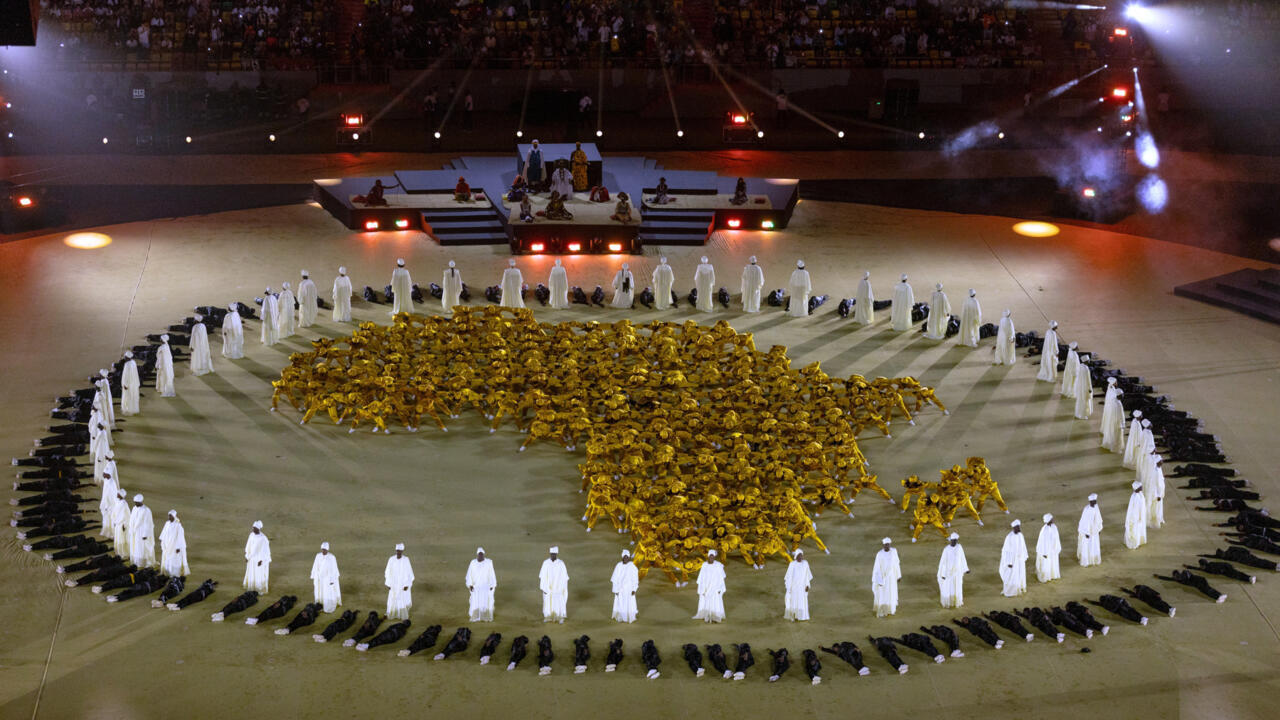
More than 1,100 performers staged the opening ceremony as a celebration of African culture, creativity and the Olympic spirit. The show launched 14 days of sport and cultural exchange that run until 13 November across Dakar, Diamniadio and Saly.
For Kirsty Coventry, President of the International Olympic Committee (IOC) and a proud Zimbabwean, the moment carried personal weight. “This is the Africa that I am so proud and so excited for the world to experience,” she told athletes and spectators.

A new chapter for the Youth Olympic Games
Dakar 2026 is the fourth edition of the Summer Youth Olympic Games, following Singapore in 2010, Nanjing in 2014 and Buenos Aires in 2018. Senegal now takes the event to a continent the Olympic Movement had never visited, and the IOC frames the Games as a new chapter.
The format blends elite competition with learning. Alongside 25 competition sports, Dakar 2026 offers 10 engagement sports and a programme of educational and cultural activities. The IOC presents the Games as a chance for young athletes to compete, connect and experience Olympic values, and as a source of inspiration across Africa and beyond.
That focus on the next generation runs through every part of the Dakar story. The Games ask what these athletes will become, not only what they will win.
Dakar 2026 Youth Olympic Games in numbers
More than 2,600 young athletes from 204 National Olympic Committees are taking part, together with the Youth Refugee Olympic Team. Competition is spread across three host locations: the capital Dakar, Diamniadio and Saly.
The opening ceremony alone was a major production. It brought together 1,115 performers, including 628 dancers. Senegalese designers, tailors and craftspeople spent more than 5,000 hours making nearly 1,500 costumes, with about 100 craftspeople and creative professionals involved.
| Dakar 2026 at a glance | Detail |
|---|---|
| Dates | 31 October to 13 November 2026 |
| Opening venue | Stade Abdoulaye Wade, Diamniadio |
| Host locations | Dakar, Diamniadio and Saly |
| Athletes | More than 2,600, from 204 National Olympic Committees plus the Youth Refugee Olympic Team |
| Sports | 25 competition sports and 10 engagement sports |
| Edition | Fourth Summer Youth Olympic Games |
Inside the Dakar 2026 opening ceremony
The ceremony took teranga, the Senegalese tradition of hospitality, as its theme. Its story linked Africa’s past, present and future through three symbolic characters, Alkebulan, Keb and Sitoé, who carried cultural heritage from one generation to the next and showed young people shaping the continent’s future.
Traditional Senegalese dance, wrestling and percussion shared the stage with contemporary music, hip hop and visual art. Senegalese stars Baaba Maal, Kiné Lam and Daara J Family performed, joined by Nigerian slam artist IB Quake and Gambian kora musician Sona Jobarteh. A tribute to Africa’s 54 countries celebrated unity and shared heritage.
One of the night’s most striking moments came in a live painting segment featuring Khaby Lame, the social media personality born in Senegal. Artist Boubou Design painted a portrait of Sitoé, presented as a symbol of a new generation and of Africa’s future. The production also put inclusion at its heart, bringing together performers from different backgrounds and with a range of abilities.
Coventry used her address to speak directly to that history. “It makes me incredibly proud to be standing here tonight,” she said. Describing herself as a proud Zimbabwean and a proud African woman, she added that she was “so proud that our continent is welcoming the Olympic Movement for the very first time.”
President Faye then declared the Games open, and the Youth Olympic flame, which had travelled across Senegal, reached the cauldron to light the opening night.
Why the first Olympic Games in Africa matter
For leaders across Africa, the significance of Dakar 2026 reaches well beyond the medal table. Three signals stand out.
The first is the creative economy. The opening ceremony’s costumes were made in Senegal, by Senegalese designers, tailors and craftspeople, over more than 5,000 hours of work. That is a production chain built at home rather than imported, and a visible showcase of the country’s creative talent in front of a global audience.
The second is youth. With more than 2,600 young athletes and a programme of educational and cultural activities running alongside the sport, Dakar 2026 casts young people as the protagonists of Africa’s story. The ceremony made that explicit through Sitoé, the character chosen to represent a new generation.
The third is delivery. Staging 14 days of sport across three host locations, for 204 National Olympic Committees and the Youth Refugee Olympic Team, is a demanding test of organisation and hospitality. A well run Games strengthens the case that African cities can host the world’s biggest sporting events, and every partner, sponsor and investor watching will take note.
What to watch until 13 November
Competition continues until 13 November across Dakar, Diamniadio and Saly, with 25 competition sports, 10 engagement sports and a full programme of educational and cultural activities. The IOC hopes the Games will inspire young people across Africa and beyond.
On opening night, Coventry spoke of an Africa she was excited for the world to experience. Over the next two weeks, the athletes will decide the medals. Senegal, and the continent behind it, will decide the legacy.
Discover more from Pan-African Voice
Subscribe to get the latest posts sent to your email.