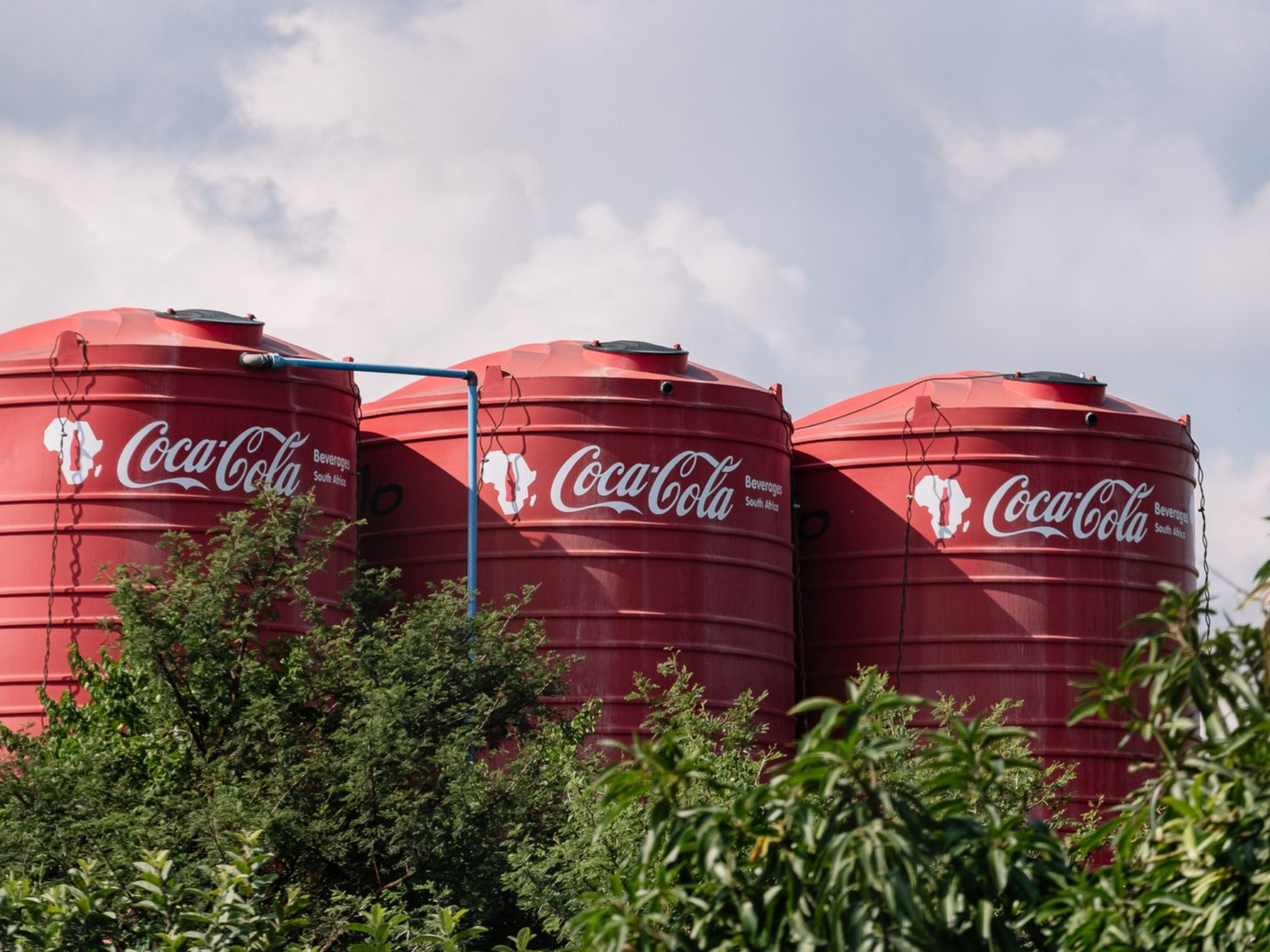
Windhoek sits in one of the most water stressed regions of sub Saharan Africa. A $1.22 million project backed by the Coca Cola system and delivered with WWF Namibia and the Global Water Challenge aims to strengthen the river basin the city depends on, and offers a test case for a programme of close to $25 million spanning 20 African countries.
Windhoek’s water supply is under sustained pressure. The Namibian capital lies in one of the most water stressed parts of sub Saharan Africa, where low and erratic rainfall and high evaporation combine with recurring drought and rising demand. For households, municipalities and the businesses that operate there, long term water availability is no longer a given.
The Coca Cola system, which brings together The Coca Cola Company and its authorised bottlers, is now investing $1.22 million in the Swakop Basin Resilience Project. The project targets the Swakop River Basin, a key source of water for Windhoek and the surrounding communities.
What the project will deliver
Delivered with Global Water Challenge (GWC) and WWF Namibia, the project uses nature based solutions to improve water availability across the catchment. Its components are specific: two sand storage dams; the clearing of invasive alien plants to restore 235 hectares of land; 750 new trees along river buffer zones and on degraded land in Windhoek’s informal settlements; and two boreholes drilled to help recharge the Windhoek aquifer. A water resilience action plan has also been drawn up.
Sand storage dams are a low cost technique used in dry regions. Built across seasonal riverbeds, they trap sand that holds water beneath the surface, where it is shielded from evaporation. Clearing invasive plants, which typically draw more water than native vegetation, is a widely used catchment management tool across southern Africa.
Part of a continental programme
The Namibian project falls under the Coca Cola system’s Africa Water Stewardship Initiative, launched in 2024, which the company describes as an investment of close to $25 million to address water challenges in 20 African countries by 2030.
Alfred Olajide, Vice President of East and Central Africa Operations at Coca Cola, said the approach is built around local delivery. “Because water challenges are local, our approach to water security is focused on local action and collaboration,” he said in a statement.
Henry Friedrich, General Manager of Coca Cola Namibia Bottling Company (CCNBC), part of the Coca Cola Beverages Africa (CCBA) group, described the investment as a responsibility that comes with operating in places where water is scarce, with the aim of protecting local watersheds and improving community access to water and sanitation.
For WWF Namibia, the value lies in what the project can prove. “This project is an opportunity to demonstrate how investing in healthy ecosystems can deliver tangible benefits for people, while also helping communities become more resilient to future climate pressures,” Country Director Dr Juliane Zeidler said in a statement. She added that lessons from the partnership could inform similar approaches elsewhere in Namibia.
Why it matters for business
For beverage companies, water is the core raw material, which makes water security an operational question as much as a sustainability commitment. CCBA, which the company says is the largest Coca Cola bottler in Africa and which operates in 14 countries including Namibia, has a direct stake in the health of the catchments it draws on.
The wider lesson for African businesses and investors is that climate pressure on water is becoming a question of cost and continuity in water stressed cities. Partnerships that combine corporate funding, conservation expertise and local priorities offer one model for managing that risk. Their value will ultimately be measured by outcomes such as the volume of water stored or recharged, rather than the size of the investment, and the announcement does not yet set out those targets for the Swakop project.
Discover more from Pan-African Voice
Subscribe to get the latest posts sent to your email.