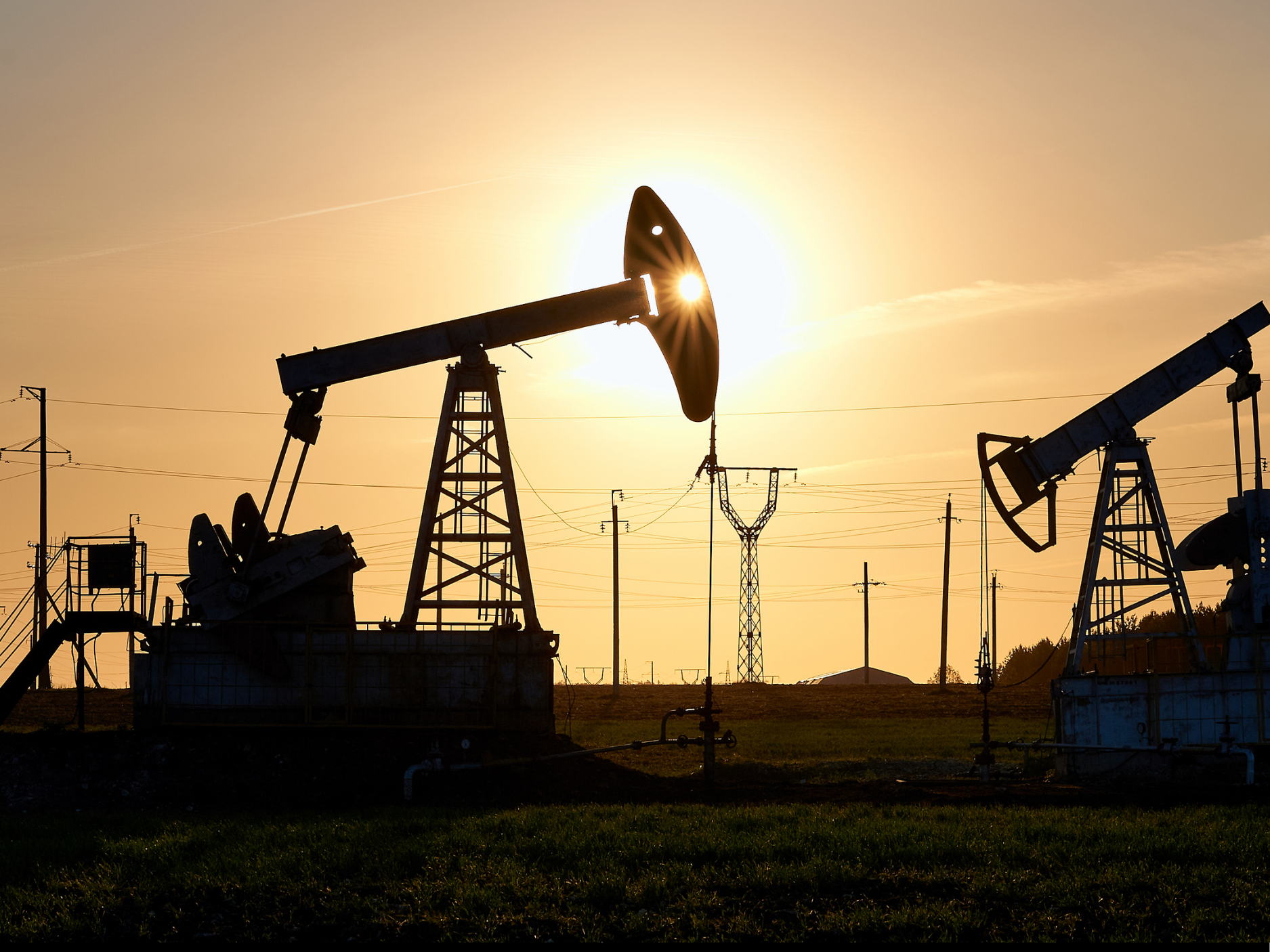
South Sudan wants to raise crude production by roughly a third and is offering 14 exploration blocks to new operators. The launch of the Africa Energy Bank and a widening pool of African development finance may give it more ways to fund that ambition than it has had before.
South Sudan holds an estimated 3.5 billion barrels of proven oil reserves, but much of its output comes from mature fields that need fresh investment to sustain and grow production. The government now plans to lift crude output from about 174,000 barrels per day to 230,000 in the near term, and has made 14 exploration blocks available. It is looking for new operators and technical partners for undeveloped acreage, and for capital to fund enhanced recovery, refining, crude transport and power.
The pitch will be made formally at South Sudan Oil & Power (SSOP) 2026, which takes place in Juba on 24 and 25 November. Organised by Energy Capital & Power and presented as the country’s official energy investment platform, the conference aims to bring government officials, national and international oil companies, development finance institutions, commercial banks and private investors together with the projects seeking funding.
African players already in the field
Some of the most active interest is coming from within the continent. The South African National Petroleum Company (SANPC), through its subsidiary the Strategic Fuel Fund, holds a 90 per cent interest in Block B2, where it is partnered with Nile Petroleum Corporation (Nilepet), the national oil company. SANPC is preparing further exploration, including a planned 2D seismic survey, work that will create demand for geophysical contractors, equipment suppliers and technical service firms.
Nilepet is seeking strategic partners for infrastructure. Its priorities include a proposed 350 kilometre crude pipeline linking the Tharjiath fields in Block 5A with the Paloch fields in Blocks 3 and 7, refinery development, and the expansion of fuel storage, distribution and liquefied petroleum gas facilities.
A new source of African energy finance
The most consequential development for South Sudan’s financing prospects may lie outside its borders. The Africa Energy Bank was formally established on 31 October 2026 by the African Petroleum Producers’ Organisation and Afreximbank, with $5 billion in authorised capital. It expects to make its first loans in 2027, and its early priority will be regional infrastructure: pipelines, refineries and domestic energy supply.
That focus aligns closely with Nilepet’s pipeline and refining plans. No funding commitment from the bank to South Sudan has been announced, however, and investors should treat it as a potential source of capital rather than a confirmed one.
Development lenders are already active in the power sector. The World Bank is financing the $53 million South Sudan Energy Sector Access and Institutional Strengthening Project, which is extending the grid in Juba and backing decentralised electrification. The African Development Bank Group has approved $153.66 million for an electricity interconnection between Uganda and South Sudan, intended to support cross border power trade and widen access to electricity.
Trade finance completes the picture. Afreximbank appointed Kush Bank, a South Sudanese lender, as an intermediary in 2023, creating a framework for letters of credit and bank guarantees that can support equipment imports. That access could help local suppliers and service companies compete for work as activity in the sector grows.
What it means for investors
For investors, the proposition combines proven reserves, open acreage and a government actively seeking partners. The financing landscape is also changing. The Africa Energy Bank was created to address what its founders describe as funding gaps in Africa’s oil and gas sector, and alongside Afreximbank’s trade finance lines it points to African institutions taking a larger role in funding the continent’s hydrocarbons.
The risks remain real. South Sudan’s crude exports rely on pipelines running through neighbouring Sudan, which leaves the sector exposed to disruption beyond its own borders, and that dependence strengthens the case for the domestic refining and pipeline capacity Nilepet is promoting. Investors in Juba will be looking for clarity on licensing terms, the commercial structure of the pipeline and refinery projects, and how capital from new institutions could be accessed in practice. Convincing answers would make SSOP 2026 a meaningful test of whether African finance can underwrite the next phase of South Sudan’s oil development.
Discover more from Pan-African Voice
Subscribe to get the latest posts sent to your email.