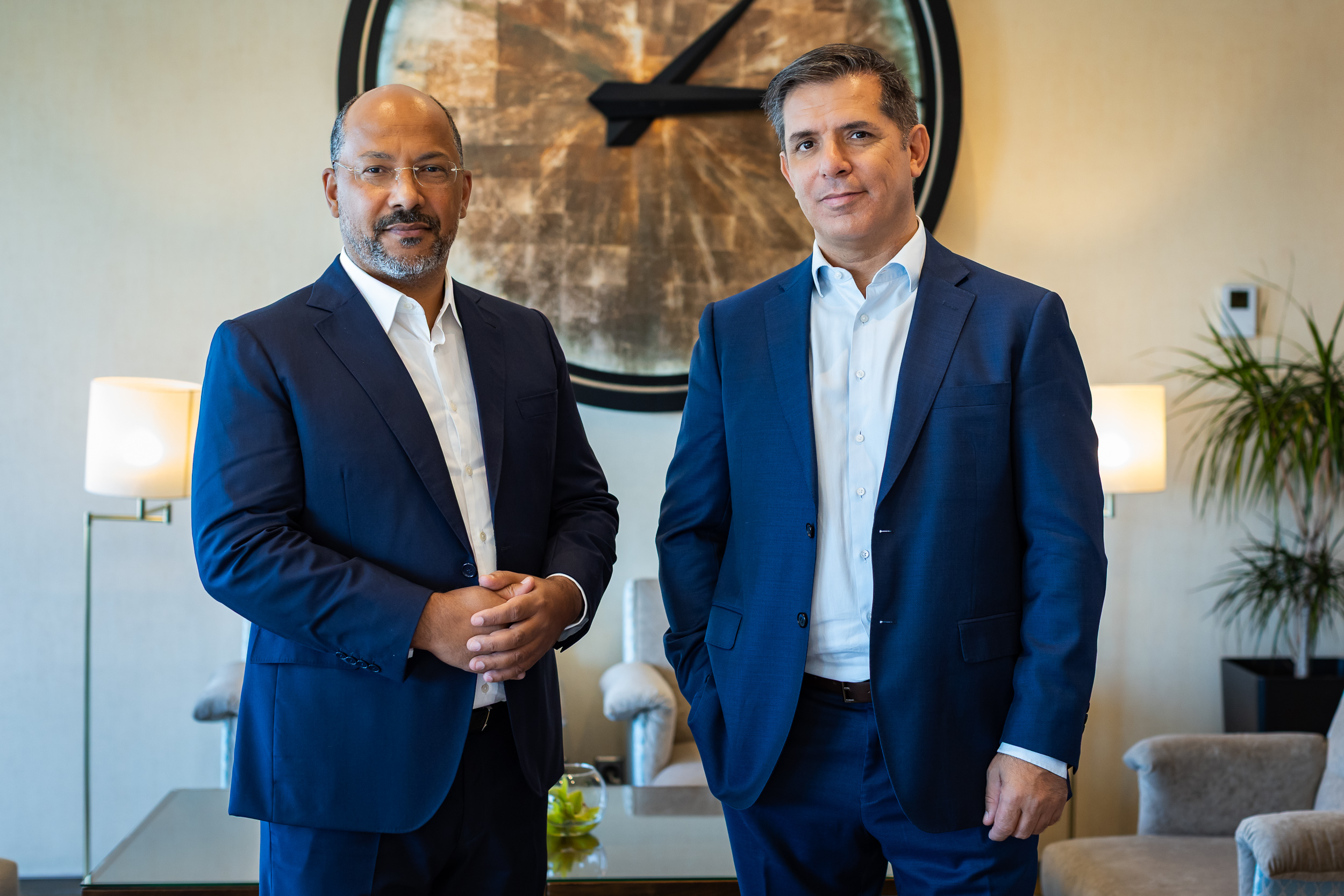
A 356 page study from the World Bank, the International Olympic Committee and the Agence Française de Développement finds that Africa’s sport economy is a fraction of its potential and that standalone stadiums rarely deliver lasting returns. For Nicolas Pompigne Mognard and African Collaborations Group, the findings read like a business plan.
For all the stadiums African governments have built to host tournaments, sport still accounts for less than 1 per cent of the continent’s gross domestic product, compared with roughly 2.5 per cent in Europe. That is a central finding of Unlocking the Potential of Sport in Africa, a 356 page report published jointly by the World Bank, the International Olympic Committee (IOC) and the Agence Française de Développement (AFD), with contributions from the International Finance Corporation (IFC), the Development Bank of Southern Africa (DBSA) and Laureus Sport for Good.
The report opens with an introduction by Makhtar Diop, Managing Director of the IFC, and Christophe Lecourtier, Director General of the AFD. Its evidence base combines original survey data from nine African countries, a review of sport policy across close to twenty governments, and a systematic assessment of academic research on how sport affects development.
Among the first to respond was African Collaborations Group (ACG), the platform founded by Nicolas Pompigne Mognard to originate integrated sport and entertainment districts across the continent. ACG argues that the report’s conclusions amount to an endorsement of the model it was created to deliver.
What the report found
The authors identify the absence of integrated infrastructure as one of the main barriers holding back Africa’s sport economy, and they are blunt about the limits of the stadium led approach that has shaped many major events. Venues built for tournaments, the report warns, face the risk of “significant underutilisation”. It describes the jobs such events create as “generally temporary, linked to the construction of infrastructure”, and the economic gains as “very localised, unevenly distributed across populations, and not durable in terms of employment, skills development, or infrastructure use”.
Its recommendations point in a different direction. Governments are urged to plan for legacy before construction begins, including clear arrangements for who runs a venue once the event is over. Sport should be linked with tourism, transport, hospitality, media, security and local entertainment so that short bursts of visitors become sustained economic activity. The report sets out a partnership model in which the state contributes land, an institutional framework and access objectives, while private partners bring expertise in building, managing, programming and maintaining facilities. It also calls for a value chain built around local small and medium enterprises, so that more of the value sport creates stays in Africa, and for investment in training for the professions that surround sport, from facility management and events to security, broadcasting and marketing.
The timing gives the findings practical weight. Dakar is hosting the Youth Olympic Games, the first Olympic event staged in Africa, and Morocco is preparing to host the 2030 FIFA World Cup jointly with Spain and Portugal. As more African countries compete to stage major events, the question of what happens to venues after the closing ceremony is moving from academic debate into fiscal planning.
The founder behind ACG
Pompigne Mognard is best known as the founder of APO Group, the communications consultancy that distributes corporate and institutional news across Africa. In 2022 he was appointed to the FIFA Task Force for Infrastructure Development in Africa, and according to ACG, FIFA President Gianni Infantino mandated him to develop a new model for sport infrastructure on the continent. ACG is the vehicle he set up to deliver it.
He has built the leadership around real estate and sport governance. Chief Executive Paulo J. Cruz joined from DAMAC Group in Dubai, where he was most recently Senior Vice President, and the company says he brings 28 years of experience originating infrastructure projects across Africa, the Middle East and Europe. ACG’s advisory board of 28 members includes former FIFA Secretary General Fatma Samoura, former World Bank Executive Director Paulo Gomes, World Football Summit co founder Jan Alessie, and Herbert Mensah, President of Rugby Africa and a member of the World Rugby Executive Board.
The Victory District model
ACG’s proposition is the Victory District, a mixed use development that combines 15 to 20 types of asset around a sporting core. Alongside stadiums and arenas, the company envisages hotels, conference centres, training academies, retail, cinemas, restaurants, housing, offices, schools and media production facilities, with the aim of earning revenue throughout the year rather than on match days alone. ACG says it invests at the predevelopment stage, shaping projects to the point where institutional and private investors can finance them.
“The report confirms that standalone stadiums built for a tournament and abandoned after the final whistle do not deliver lasting economic impact,” Pompigne Mognard said in a statement.
Cruz presented the report as settling a debate for the governments and lenders ACG works with. “The question is no longer whether integrated sport infrastructure is the right model for Africa. The World Bank, the IOC, and the AFD have answered that question. The question is who is going to build it,” he said in a statement.
What it means for investors
For African governments, the report offers a framework for testing major event bids against long term returns rather than prestige. For development finance institutions, it provides a shared evidence base for judging sport projects alongside other infrastructure. For investors in the Gulf, where integrated destinations combining sport, hospitality and real estate are an established development model, the recommendations describe an asset class they already understand, now endorsed by some of the most influential institutions in African development finance.
The test for ACG will be delivery. The company has set out a clear thesis and gathered recognised names around it, but its announcement does not identify specific Victory District projects, host cities, financing partners or timelines. Those details, and a first financial close, will show whether the model the report describes can move from evidence to construction.
Discover more from Pan-African Voice
Subscribe to get the latest posts sent to your email.